@Commonwealth
Re-Architecting Community Creation for Scalable Web3 Governance
Web3 Governance Infrastructure
Snapshot
Role
Product Design Lead. Owned the end-to-end redesign of community creation, facilitated cross-functional product decisions, and shaped long-term governance direction.
Objective
Shift from growth-led manual onboarding to a scalable, self-serve community creation model to support expansion from large enterprise crypto communities to smaller, emerging on-chain groups.
Key Constraints
Irreversible blockchain selection at creation, wallet and ecosystem compatibility dependencies, token-based governance architecture, and high technical expectations from advanced Web3 users.
Outcome
Launched a re-architected multi-step creation flow that reduced friction, enabled scalable self-serve onboarding, and surfaced strategic limitations in the single-chain model, informing the next evolution toward flexible governance infrastructure.
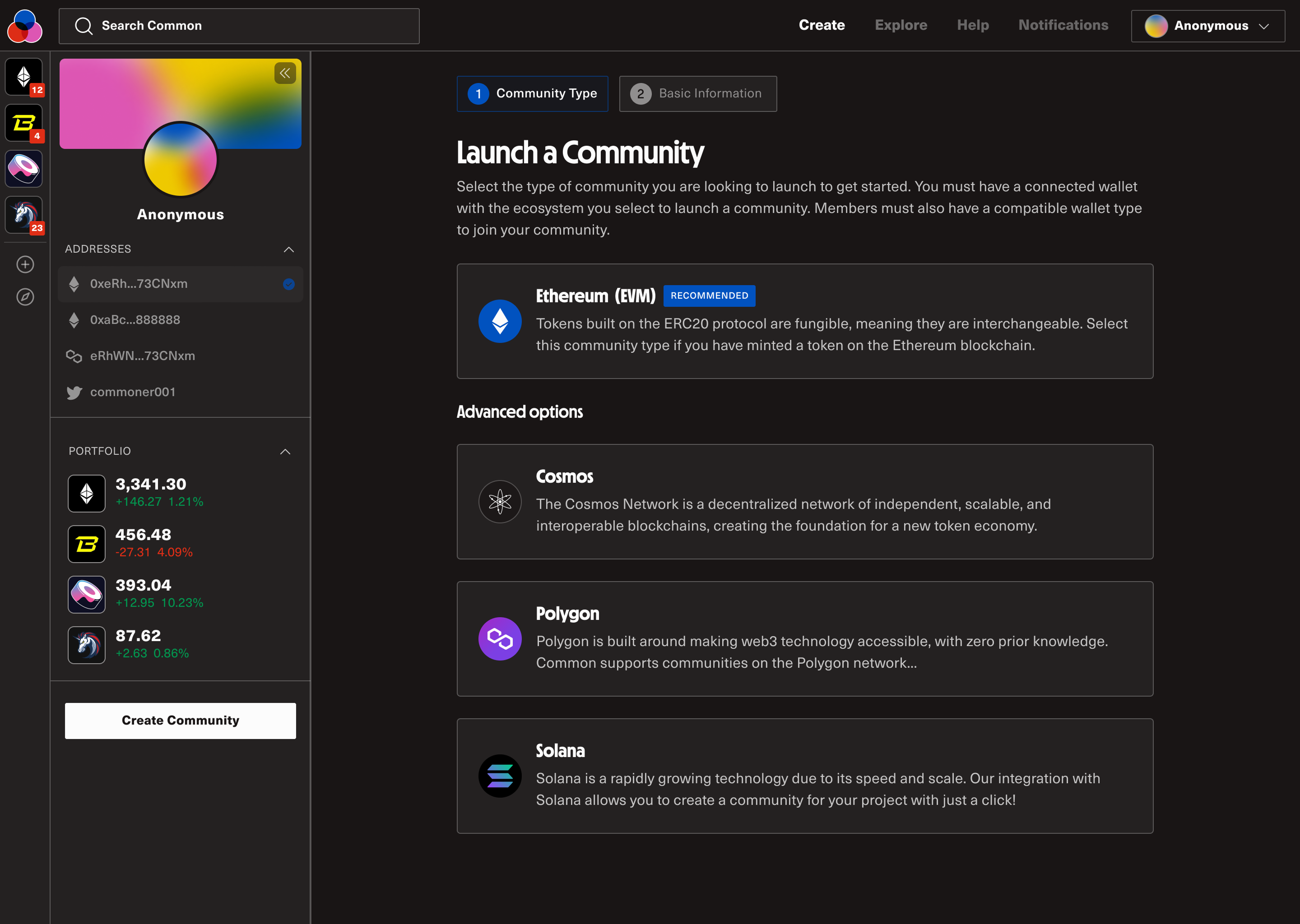
Community Creation Step 1 → Clarified blockchain selection and wallet compatibility at the point of decision, turning irreversible Web3 constraints into guided, informed choices.
Commonwealth was shifting from Growth-led, manual onboarding of large crypto communities to a scalable, self-serve model aimed at smaller and emerging on-chain communities. As Product Design Lead, I was tasked with overhauling the community creation experience under a compressed timeline, aligning the product with Series B growth goals while navigating the complexity of Web3 governance and blockchain infrastructure.
The existing flow was brittle and confusing, even for advanced crypto users. A core friction point was the dependency between wallet compatibility and blockchain selection, a technical constraint that could not be reversed once a community was created. I led a full audit and re-architecture of the experience, facilitating cross-functional debate around sequencing decisions and long-term implications. The redesigned multi-step flow reduced cognitive load while preserving necessary blockchain constraints, and introduced clearer decision framing around governance setup and token configuration.
From the outset, we were aware that many communities preferred to use their own tokens. However, we made a deliberate strategic bet to launch with a platform-first token model, believing a standardized token could create shared incentives and simplify governance across communities. The redesigned creation flow supported this structure, but adoption patterns made the preference clear. Communities did not want to operate within a shared platform token framework. They wanted autonomy over their own tokens and governance structures. This learning reframed community creation as more than a UX challenge. It exposed a platform-level strategy decision and directly informed the next evolution toward flexible, community-owned token architecture.
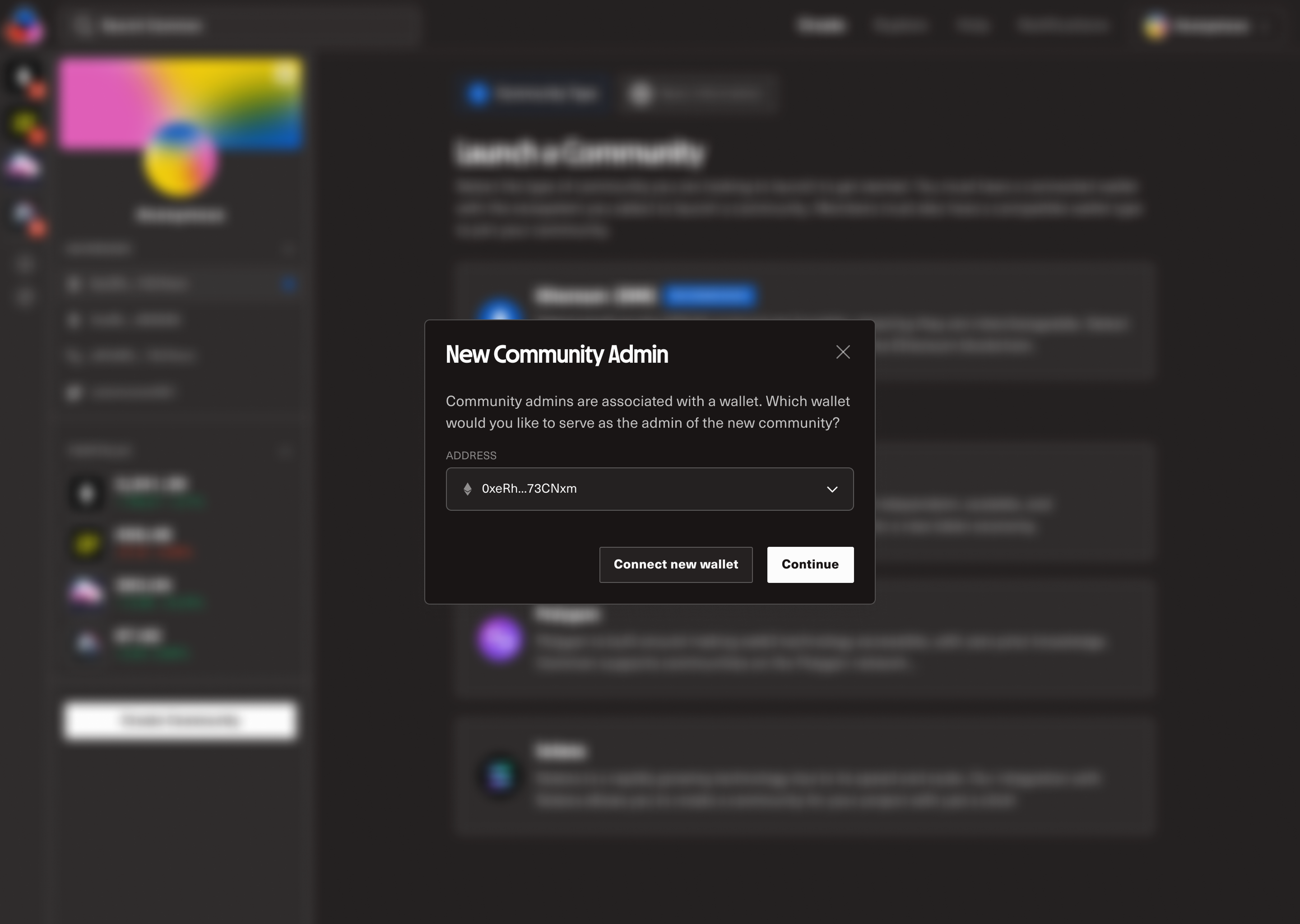
Established clear wallet ownership at community creation, ensuring governance authority is tied to a compatible on chain identity from the start.
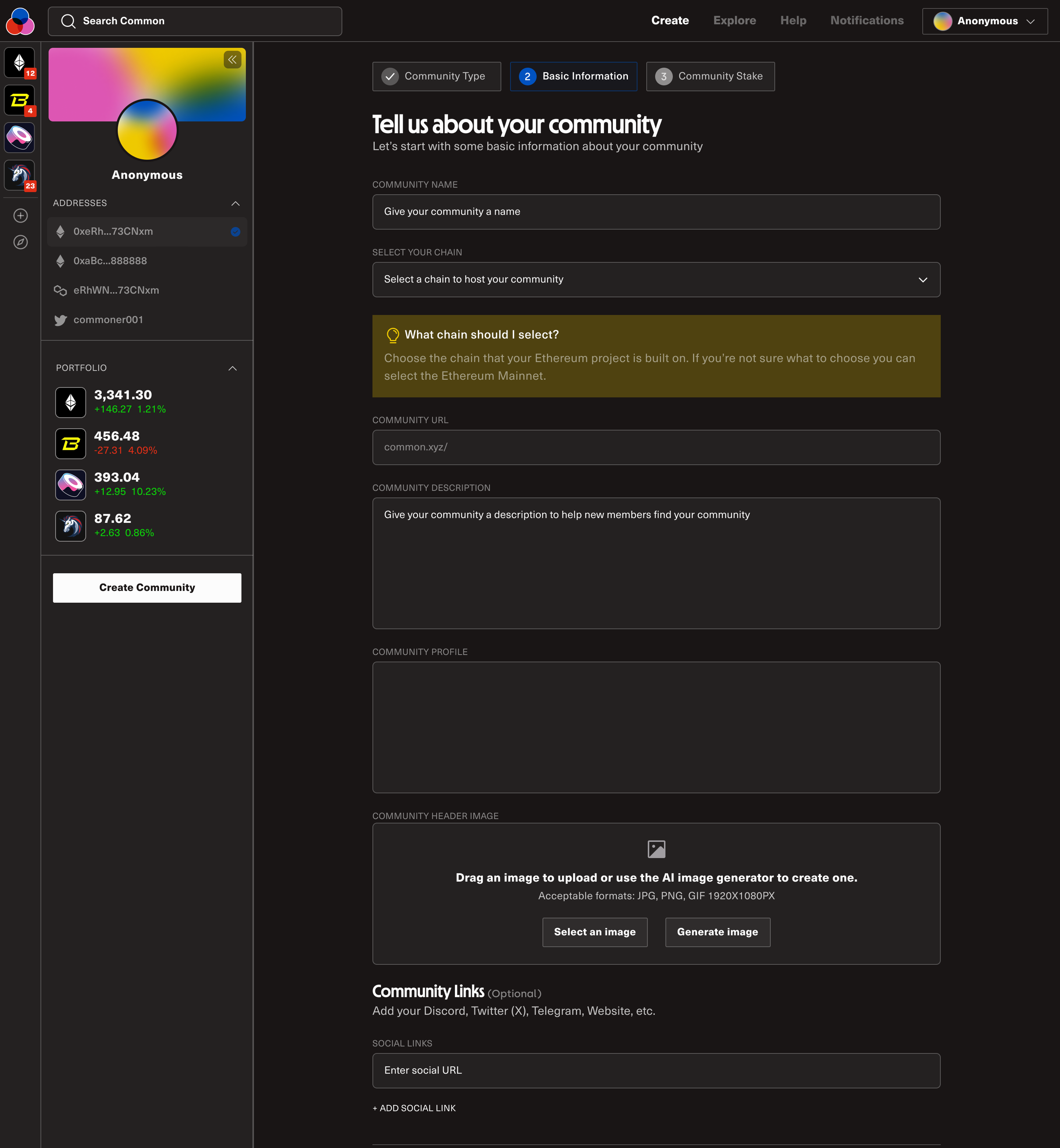
Community Creation Step 2 → Introduced guided chain selection with contextual education, preventing misconfiguration before community launch.
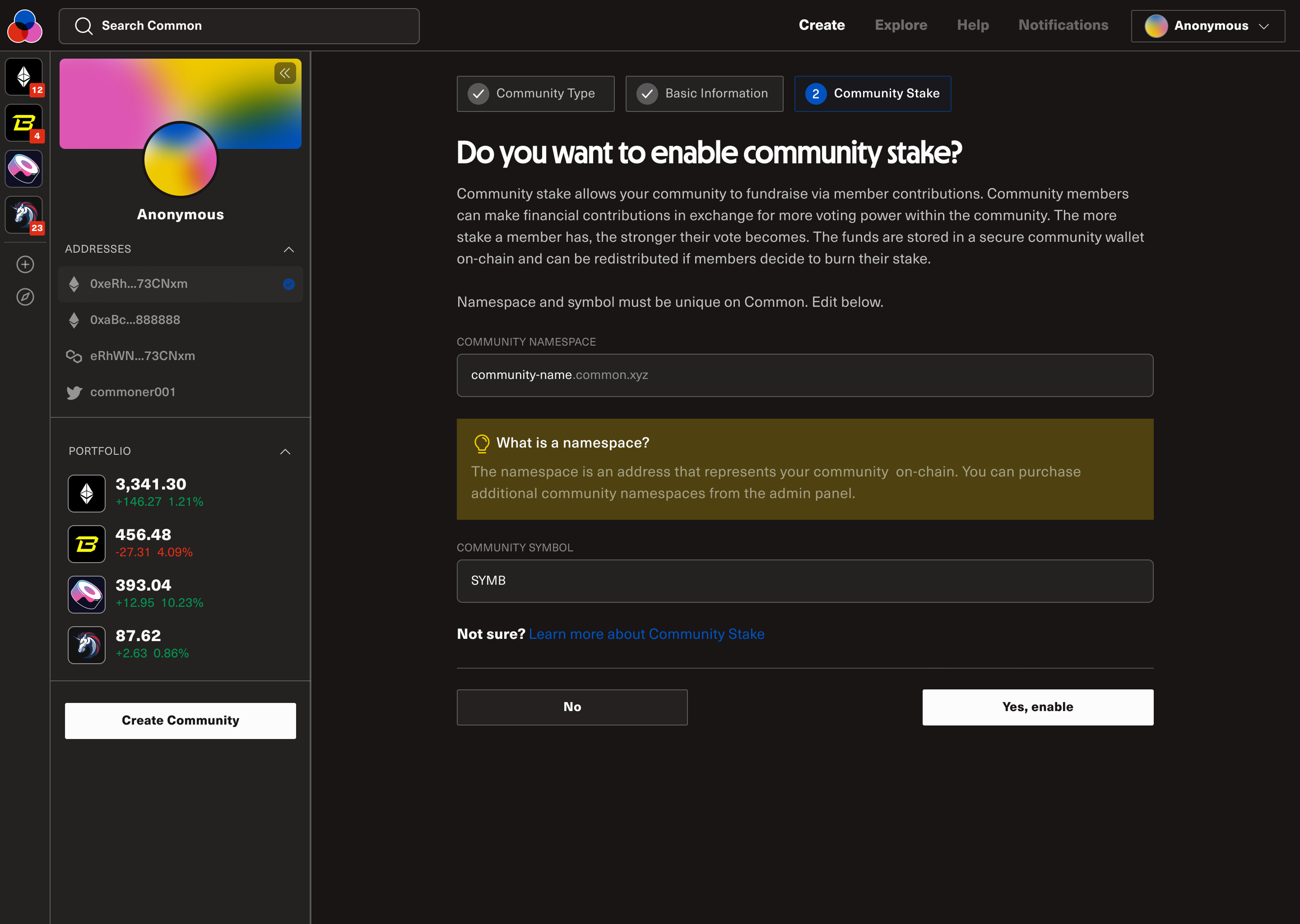
Community Creation Step 3a → Framed community stake as an opt in governance mechanism, making funding and voting power dynamics explicit before launch.
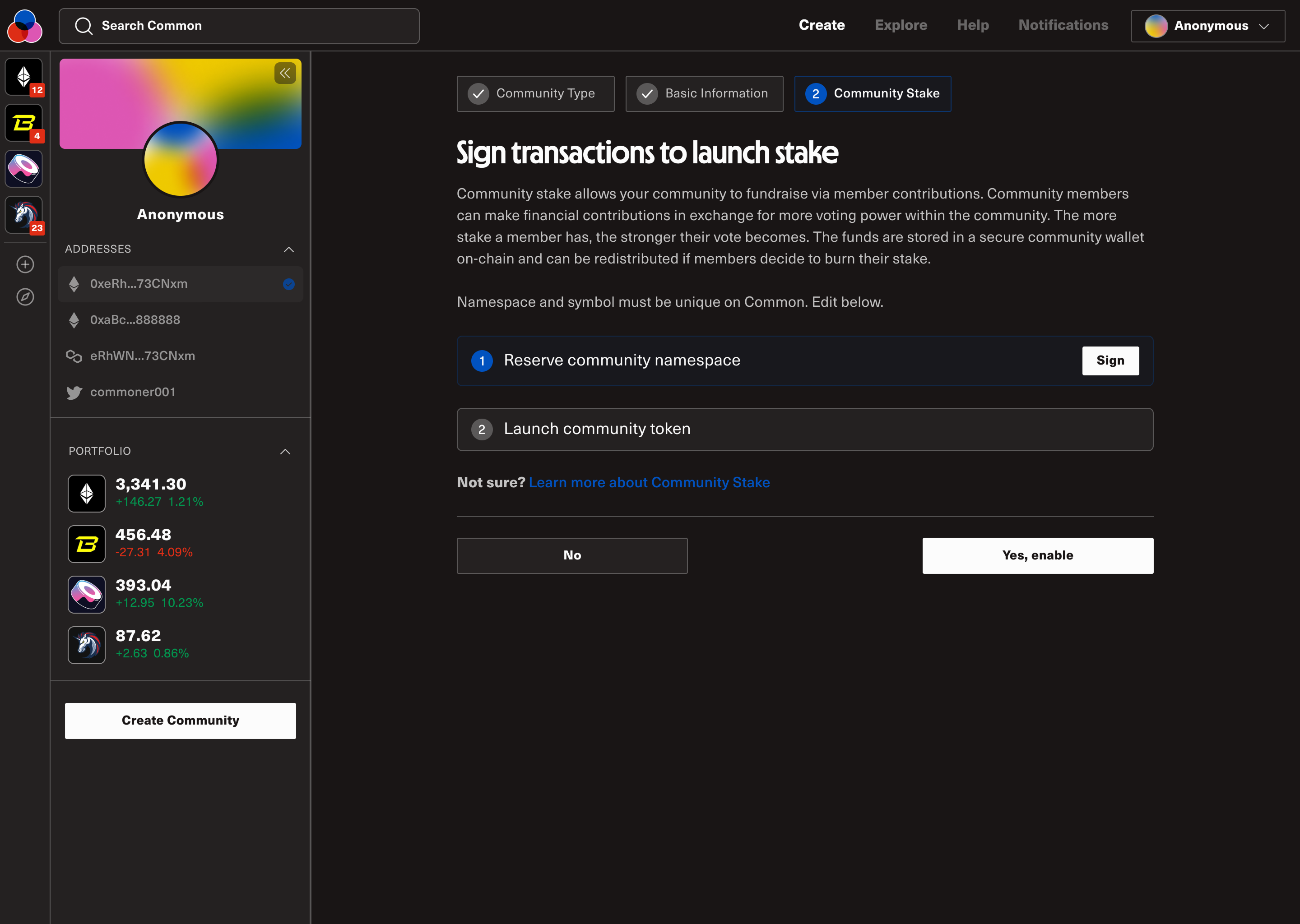
Community Creation Step 3b → Translated complex smart contract execution into a guided signing flow, preserving transparency while minimizing technical friction.
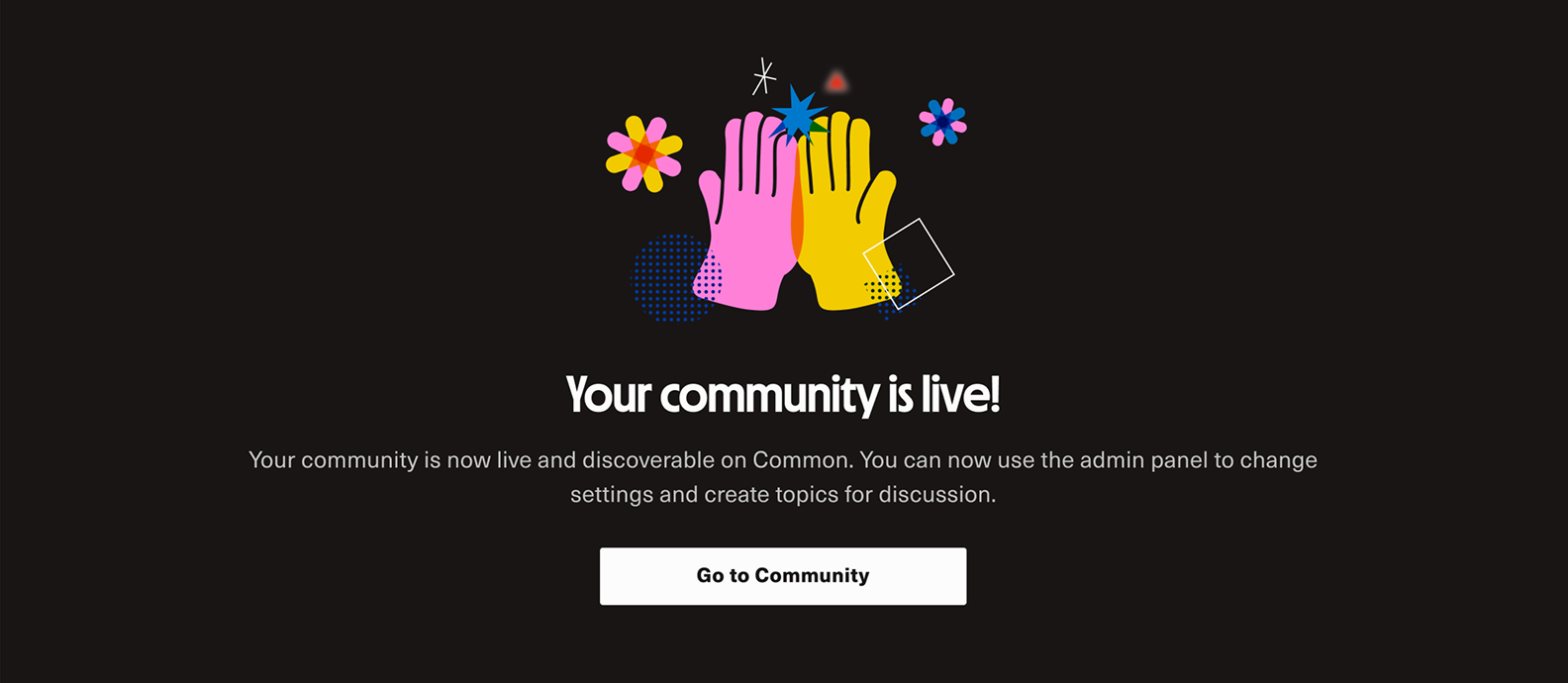
Community Creation Complete → Closed the creation loop with a clear success state and immediate next steps, bridging community launch to active governance.